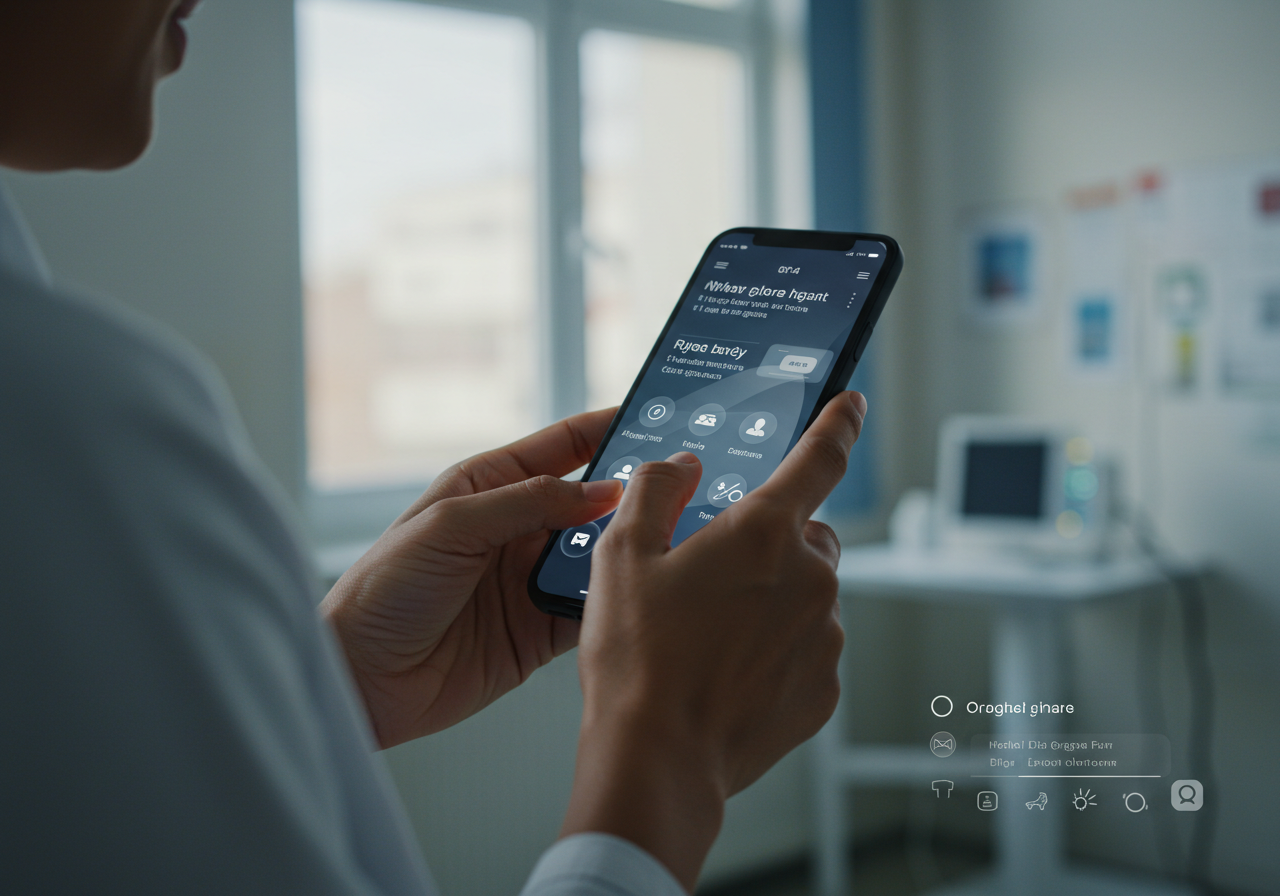
Keys to Improving UX in Apps and Devices
Medical translation plays a crucial role in user experience (UX) for health apps and devices. It’s not just about converting words — it’s about guiding, informing, and supporting users at every step. From the home screen to usage instructions, every word matters.
Why UX matters in digital health
Digital health is on the rise. From mobile apps to wearables and patient portals, technology is transforming care. But without accurate and culturally adapted content, access and understanding can be compromised.
Poor UX in a medical context can cause confusion, misuse of devices, or even treatment abandonment. That’s why user-centered medical translation is critical to ensure accessibility, safety, and trust.
Key strategies for user-centered medical translation
1. Clear, user-friendly language
Terminology must be accurate but also easy to understand. Most users aren’t medical professionals. Adapting reading levels and avoiding jargon improves clarity and usability.
2. Consistent terminology across the interface
Words appear across buttons, menus, forms, and instructions. Maintaining consistency helps users navigate more confidently — achieved through glossaries and translation memories.
3. Cultural and functional localization
Beyond language, localization includes formats for dates, measurements, and cultural references. It makes content feel native and reliable to each audience.
4. User testing with native speakers
Testing translations with real users helps identify issues that may be missed otherwise. This ensures a truly user-centered experience.
5. Expert medical review
Accuracy in medical content requires more than linguistic skills. Translators must understand how clinical communication works and be backed by healthcare professionals.
Conclusion
User-centered medical translation isn’t a luxury — it’s a necessity for safe, effective, and empathetic digital health experiences. At SumaLatam, we combine linguistic precision, medical expertise, and cultural insight to ensure every word supports a better user journey.