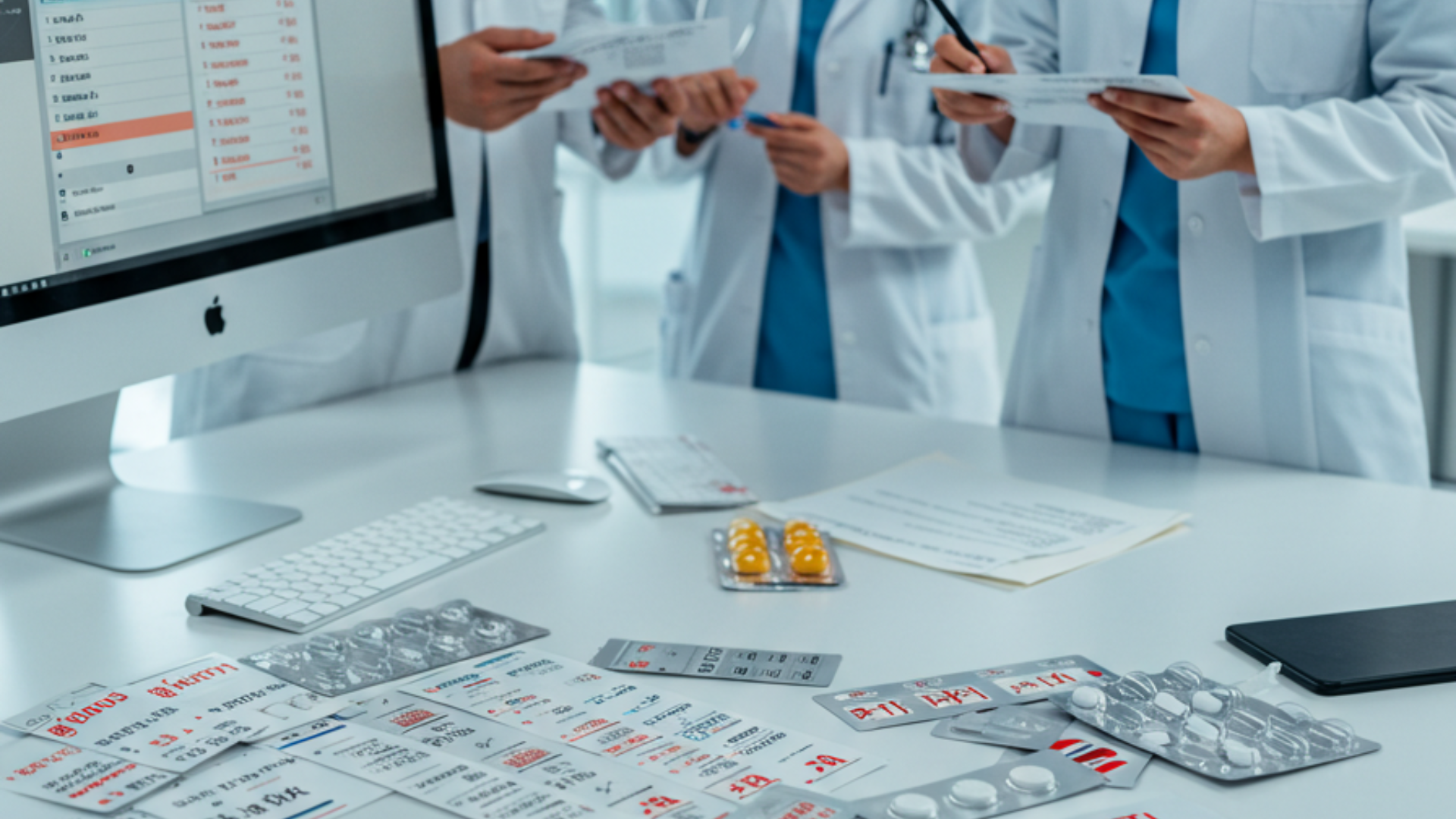
In the healthcare industry, medical packaging translation plays a fundamental role. A translation error can impact patient safety, product regulation, and brand trust. Medical packaging translation must be accurate and comply with international regulations to avoid risks.
Importance of Medical Packaging Translation
The process of translating medical packaging goes beyond converting words from one language to another. It requires a deep understanding of technical terms, local regulations, and country-specific requirements. A translation mistake could lead to the misinterpretation of instructions, affecting user safety and potentially causing legal issues for manufacturers.
Key Aspects
- Terminological Accuracy: Every word on the packaging must precisely reflect its meaning in the target language. Ambiguous terms can cause confusion and affect the product’s effectiveness.
- Regulatory Compliance: Each country has specific regulations for medical product packaging. The translation must meet legal requirements to avoid penalties or issues with health authorities.
- Clarity and Comprehension: A well-structured and easy-to-understand text ensures that the end user can correctly follow the instructions. This is crucial for home-use or self-administered medical products.
- Proper Localization: Beyond translation, adapting the content to the target market’s culture and context is essential. This includes word choices, date formats, and measurement units.
- Review and Quality Control: Verification by medical translation specialists and native reviewers ensures that the text meets required quality and safety standards.
Benefits of Professional Translation
A well-executed medical packaging translation allows companies to confidently access global markets. It ensures that products comply with local regulations and that end users receive clear and accurate information. Additionally, it enhances brand reputation and minimizes risks associated with misinterpretation errors.
In conclusion, medical packaging translation is a key process to ensure safety, regulatory compliance, and consumer trust. Collaborating with professionals specialized in medical translation is essential to achieving high-quality results.
Having precise and localized translations is an investment in safety and the success of medical products in the global market.