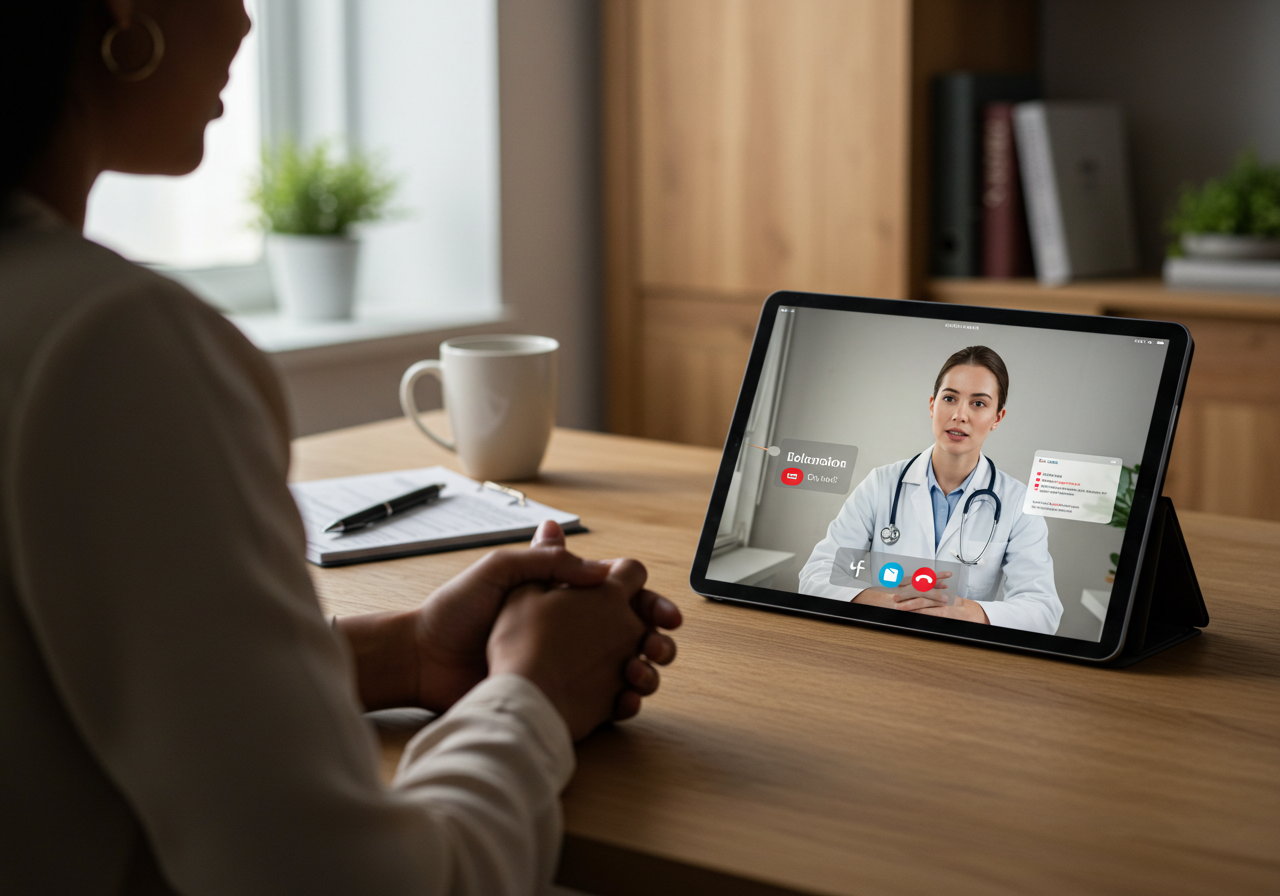
Translation and telemedicine are two powerful tools that, when combined, can transform remote healthcare. In today’s diverse and digital world, providing medical services in the patient’s native language enhances comprehension, trust, and treatment adherence.
Why Multilingual Telehealth Content Matters
Delivering remote care is not just about technology. It also requires ensuring that protocols, forms, and guides are available in the right language. If a patient doesn’t understand how to attend a virtual consultation or fill out a consent form, the medical experience may suffer.
For instance, a poorly translated medical history form can lead to an incomplete diagnosis. That’s why translation and telemedicine must work together to provide clear, accurate, and culturally appropriate care.
What Needs to Be Adapted and How
- Medical protocols: Appointment scheduling, consultation steps, post-visit instructions.
- Forms and consents: Clear, legally compliant documents in each required language.
- Patient education materials: Tailored for cultural, linguistic, and literacy needs.
- Interface and auto-messages: From buttons to reminders—every word matters.
Human or AI Translation?
While AI helps streamline workflows, accuracy is critical in healthcare. Mistakes can have serious clinical or legal consequences. That’s why expert human review is essential, especially for sensitive or regulatory content.
Conclusion
In today’s healthcare landscape, translating for telemedicine is no longer optional—it’s part of quality care. Adapting content to each patient’s language ensures safer, more inclusive, and more effective treatment.
At SumaLatam, we help healthcare providers deliver truly multilingual remote experiences. Ready to take your care to the next level?