Introduction
Validating materials culturally with NGOs and communities ensures messages are understandable, respectful and effective. By using clear co-creation models, ethical incentives and measurable impact indicators, you increase acceptance, comprehension and local relevance. This practical guide explains how to build sustainable partnerships and measure outcomes.
Why involve NGOs and communities?
- They bring deep local knowledge of language, norms and sensitivities.
- They provide access to representative groups for testing and feedback.
- Their endorsement increases legitimacy and trust among target audiences.
- They help identify cultural risks that external teams may overlook.
Practical co-creation models
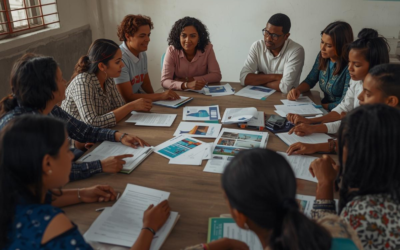
- Participatory workshops (in-person or online): collaborative sessions with community members and technical staff to review drafts and propose alternatives.
- Community advisory boards: standing panels that review and approve content for a specific area or group.
- Local pilots: minimal viable versions rolled out to small groups to gather evidence before full deployment.
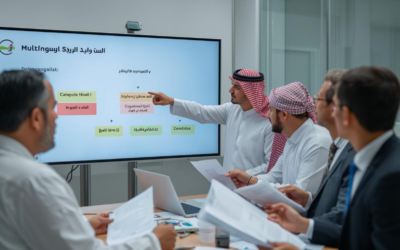
- Validator chains: tiered validation (community leaders → local NGO → technical sign-off).
- Train-the-trainer approach: equip local champions to replicate validation and educate peers.
Ethical incentives and compensation
- Direct payment or stipends: fair compensation for time and expertise.
- Logistical support: transport, meals and printed materials for sessions.
- Capacity building: training and certificates for participants.
- Community benefits: in-kind donations (kits, services) that support the community.
- Public recognition: acknowledgements in reports or shared events.
Important: avoid incentives that bias responses (e.g., payments tied to positive feedback). Document agreements and obtain informed consent.
Measuring local impact (metrics & methods)
- Comprehension: short pre/post comprehension checks (closed questions).
- Acceptability: % of participants rating the material as “useful” or “respectful.”
- Adoption: usage rates (distributed materials vs. actually used/read).
- Behavior change: specific outcome indicators relevant to your goal (e.g., adherence increase, clinic attendance).
- Qualitative feedback: interviews and focus groups to capture nuance.
- Reach & equity: coverage by segment (age, gender, language) to detect gaps.
- Response time: how quickly community feedback is incorporated.
Operational best practices
- Define roles: coordinator, recorder, approver.
- Use structured templates to capture feedback consistently.
- Keep full records: consent forms, payment logs, workshop minutes and version histories.
- Run short iterative cycles: prototype → test → revise → re-test.
- Ensure data protection and ethical safeguards for participants.
Quick checklist (before validation)
- ✅ Identify relevant NGOs and community leaders
- ✅ Define validation objectives and KPIs
- ✅ Agree incentives and secure informed consent
- ✅ Prepare pilot materials (drafts)
- ✅ Run pilot and capture quantitative + qualitative data
- ✅ Integrate changes and document final versions
Conclusion
Partnerships with NGOs and communities significantly improve the cultural relevance and effectiveness of your materials. With robust co-creation models, ethical incentives and solid impact measurement, you turn generic messages into locally meaningful communication. At SumaLatam we design co-creation processes, incentive protocols and measurement dashboards. Contact us to plan a pilot in your target area.