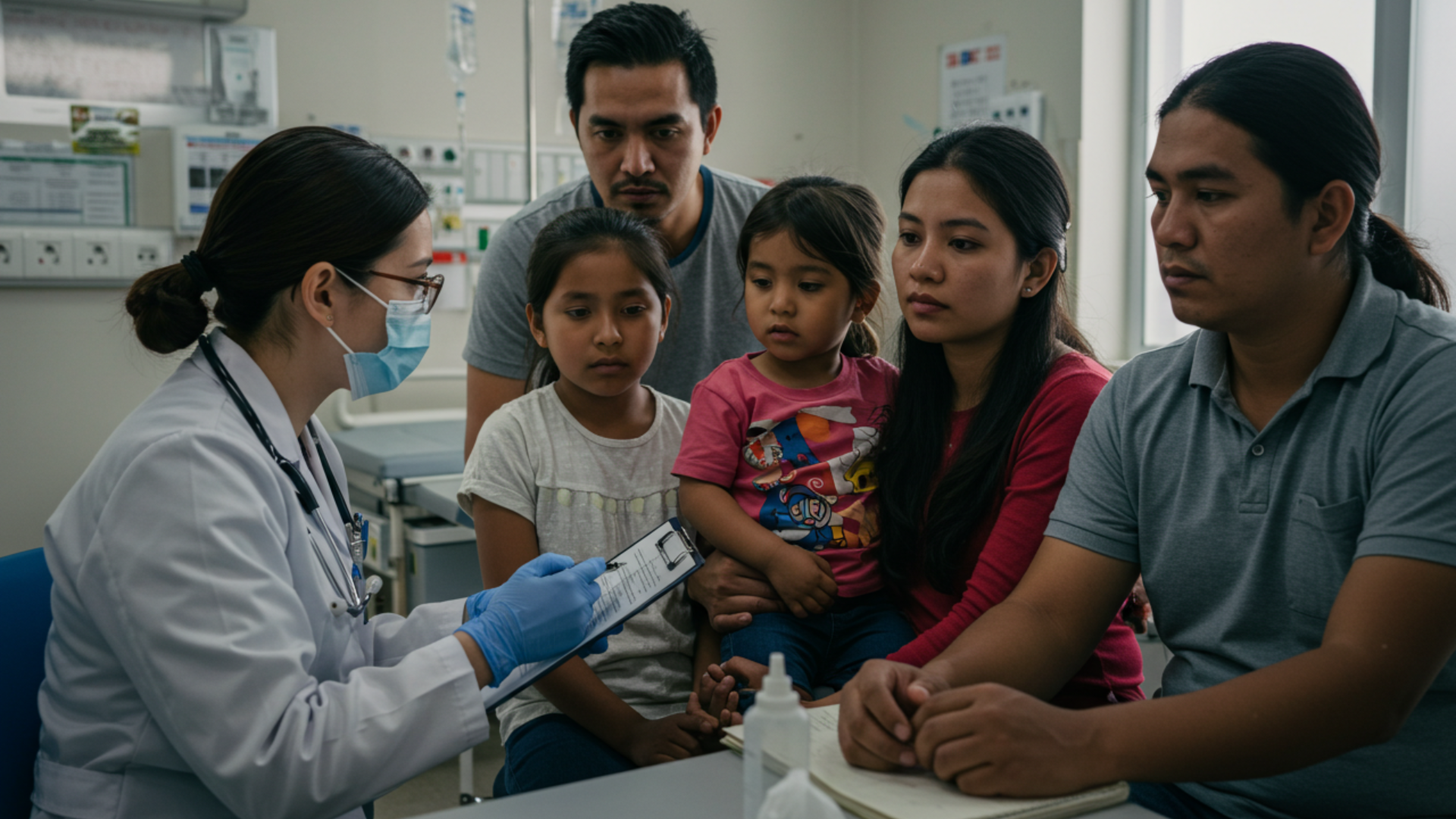
In a globalized world, language barriers significantly impact access to healthcare. Medical translation is a critical resource to ensure that migrant populations receive safe, understandable, and equitable medical care.
Many migrants do not speak the language of their destination country fluently. This affects their ability to understand diagnoses, treatments, and medical documentation. In the U.S., Mexico, and Argentina, where migration is constant, specialized translation helps reduce disparities and improve health outcomes.
Barriers Migrants Face in Accessing Healthcare
Migrant populations often encounter multiple barriers when seeking care:
- Bureaucratic and legal hurdles.
- Lack of insurance or knowledge of their rights.
- Fear of discrimination or revealing personal information.
- Misunderstanding medical information due to language gaps.
These challenges can lead to late diagnoses, poor treatment adherence, or misuse of health services.
The Role of Medical Translation
Effective medical translation:
- Improves understanding of diagnoses and treatments.
- Increases treatment adherence.
- Strengthens trust between patients and providers.
- Reduces the risk of medical errors.
- Promotes health as a human right.
It also enables public health campaigns to reach linguistically and culturally diverse communities, including indigenous language speakers and low-literacy populations.
Case Studies of Medical Translation in the U.S., Mexico, and Argentina
United States
With a large Spanish-speaking population, translation is essential across healthcare settings. Regulations often require multilingual access in hospitals and clinics.
Mexico
Receives migrants from Central America and indigenous populations. Interpretation and translated materials are key to healthcare access.
Argentina
Hosts migrants from Bolivia, Paraguay, and Peru. Culturally adapted materials and plain Spanish help bridge communication gaps.
Conclusion
Medical translation is not a luxury—it is essential to achieving inclusive and equitable healthcare. At SumaLatam, we ensure that every message is delivered clearly, respectfully, and in the language people understand best.