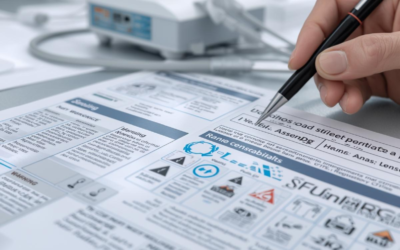
Medical translation is more than just choosing the right words — it can be the difference between safe and unsafe product use. In the case of medical labels, every word matters. Poor translation doesn’t just create confusion; it can jeopardize patient safety and lead to legal consequences for companies.
The role of medical translation in labeling
Medical labels contain critical information such as usage instructions, dosage, contraindications, and warnings. This content must be clearly understood by all users. In multilingual markets, it also must be accurately translated and aligned with local regulations.
A mistranslated warning or incorrect dosage can lead to serious adverse events. Moreover, these mistakes can result in product recalls or regulatory penalties.
Common mistakes in medical label translation
- Incorrect use of medical terms or abbreviations.
- Literal translations without regulatory or cultural adaptation.
- Omitted warnings or dosage errors.
- Formatting issues that affect readability (font size, layout, visual hierarchy).
How to ensure safety and compliance
- Work with professional medical translators. Language skills alone aren’t enough — subject-matter and regulatory knowledge are essential.
- Adapt content to local regulations. Each country has its own labeling standards and mandatory phrases.
- Ensure readability. Content must be easy to understand, even for users with low literacy levels.
- Include expert review. Cross-checks with medical and legal professionals reduce the risk of critical errors.
Conclusion
A poorly translated medical label can endanger patients, harm brand credibility, and cause legal trouble. For that reason, medical translation of labels must be handled with the utmost care. At SumaLatam, we ensure clarity, compliance, and patient safety in every project.