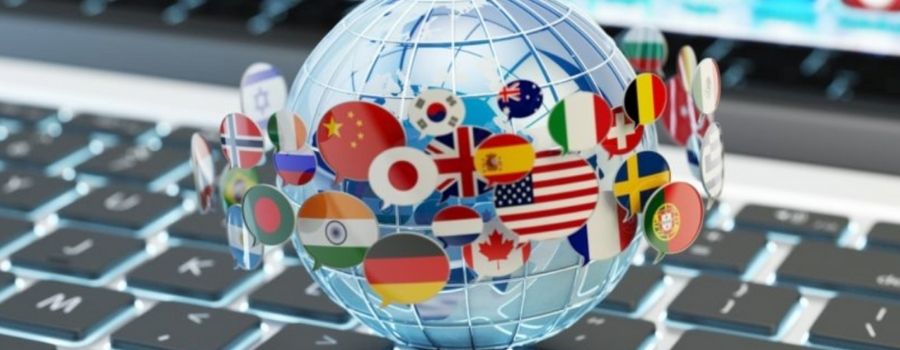
At present, businesses are more globalized than ever before, which creates an urgent need for multilingual content. With the rise of globalization, businesses are now catering to a wider range of audiences, which leads to the requirement of publishing the same content in various languages. However, creating content in multiple languages can be a challenging and time-consuming task.
AI machine translation and post-editing are revolutionary solutions that have been gaining immense popularity lately. These solutions offer a faster and more efficient way to produce multilingual content while ensuring accuracy and quality. In this article, we will explore the benefits of AI machine translation and post-editing and how it can help businesses improve their global presence.
What is AI Machine Translation?
AI machine translation is a technology that uses artificial intelligence to automatically translate content from one language to another. With the help of AI, it is possible to translate vast amounts of text in a fraction of the time it would take a human translator. AI machine translation is based on complex deep learning algorithms that analyze patterns in language and use them to translate text.
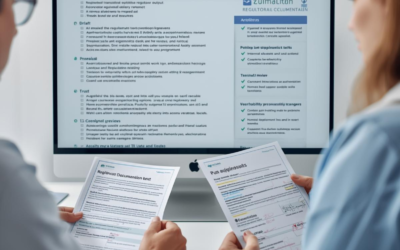
While AI machine translation offers a fast and efficient way to produce multilingual content, it is not always 100% accurate. The translations generated by AI machine translation can be improved with post-editing, which involves a human editor reviewing and correcting the translated text.
Post-editing is the process of reviewing and correcting machine-translated text to ensure it´s quality. Post-editing involves a human editor who is an expert in the target language and is responsible for reviewing and correcting the translated text.
Post-editing can help to improve the accuracy of machine-translated text by correcting errors in grammar, syntax, and style. Post-editing can also help to ensure that the translated text is culturally appropriate and free from any offensive or insensitive language.
Benefits of AI Machine Translation and Post-Editing
- Faster Turnaround Time
One of the primary benefits of AI machine translation and post-editing is faster turnaround time. With the help of AI machine translation, businesses can produce more multilingual content at a faster pace. Post-editing can also be done quickly, which means that businesses can publish their content in multiple languages faster than ever before.
- Cost-Effective Solution
AI machine translation and post-editing are cost-effective solutions that can help businesses save time and money. The cost of hiring human translators can be high, especially for businesses that need to produce large volumes of multilingual content. With AI machine translation and post-editing, businesses can produce multilingual content at a fraction of the cost of hiring human translators.
- Consistent Quality
AI machine translation and post-editing can help to ensure that the quality of the translated text is consistent across all pieces of content. With the help of AI machine translation, businesses can produce translations that are consistent in terms of terminology and style. Post-editing can also help to ensure that the translated text is of high quality and free from any errors.
- Improved Global Presence
AI machine translation and post-editing can help businesses improve their global presence by making their content available in multiple languages. By publishing content in multiple languages, businesses can cater to a wider range of audiences, which can help to improve their global reach and increase brand awareness.