In an interconnected world, sharing scientific discoveries globally is essential for advancing biomedical research. But how can we ensure that translation maintains the academic rigor and accuracy required?
Challenges in Biomedical Translation
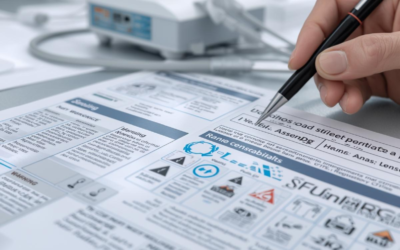
Biomedical research is highly technical, requiring not only linguistic proficiency but also a deep understanding of scientific terminology. An error in translating a technical term can lead to misinterpretations, impacting research validity or clinical applications. Additionally, translating charts, data, and technical documents requires precision to maintain the integrity of the results. This is where having specialized translators with scientific backgrounds is crucial.
The Role of Context in Ensuring Accurate Translation
A significant challenge in biomedical translation is ensuring that scientific concepts are accurately conveyed without losing context. Many medical terms and procedures differ across regions, making it vital for translators to understand the local usage while preserving the global standard of scientific terminology. For example, medical treatments or drug names might differ between countries, and accurately localizing these is essential to avoid confusion and ensure reproducibility in studies.
At SumaLatam, translators not only ensure linguistic accuracy but also take into account these regional differences, helping to maintain the integrity of the research while adapting to local terminologies.
The Need for Review and Validation
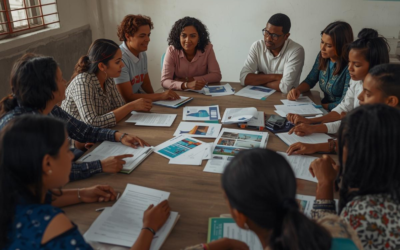
Review and validation are critical in biomedical translations. Documents must undergo meticulous revision by scientific and linguistic experts to guarantee consistency and accuracy. A team of translators and reviewers with expertise in both languages and the specific scientific fields helps to minimize errors and preserve the research’s scientific validity.
At SumaLatam, this multi-step process combines subject-matter expertise with linguistic precision. The translation teams ensure that the documents are reviewed for both technical accuracy and clarity.
Technology in Biomedical Translation
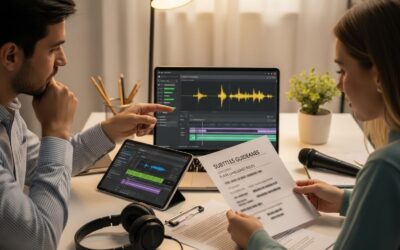
While AI-powered translation tools can manage large volumes of content, they are not yet sophisticated enough to fully handle the complexities of biomedical terminology. These tools can miss cultural nuances or specific scientific connotations, which is why human oversight remains essential. AI helps expedite the process, but human translators are crucial in verifying and ensuring the precision of the translation.
SumaLatam uses a hybrid approach, leveraging the speed of AI-assisted tools while ensuring that human experts refine the translation to meet the high standards required in biomedical research.
Global Collaboration and Translation
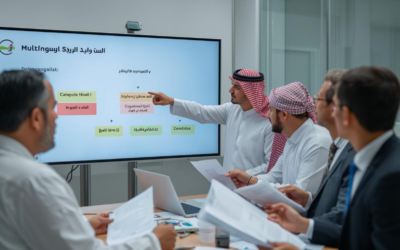
As international collaboration becomes more common in biomedical research, translation is key to enabling scientists from different regions to work together effectively. Whether it’s publishing a study, collaborating on clinical trials, or sharing new drug developments, clear and accurate translation helps bridge communication gaps, allowing global collaboration to thrive.
SumaLatam facilitates this international exchange by offering specialized translation services, ensuring that critical research findings are accurately communicated and accessible to a global audience.
The translation of biomedical research is fundamental to global scientific advancement. Ensuring that complex medical data is not lost in translation requires specialized knowledge, rigorous review, and the right balance between technology and human expertise. SumaLatam provides the expertise and tools needed to ensure that research is accurately translated, helping foster global collaboration while maintaining scientific integrity.