Introduction
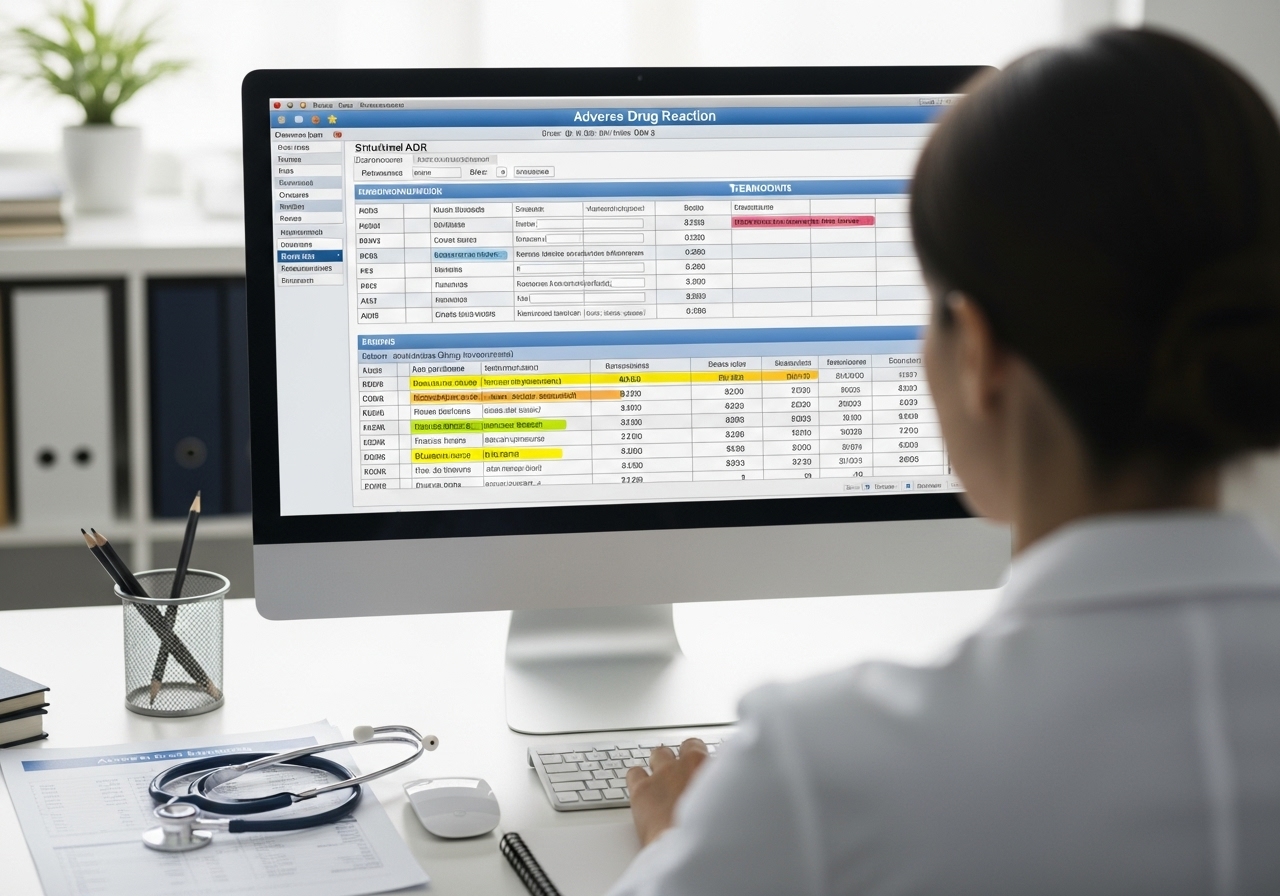
Translation in pharmacovigilance demands speed and accuracy. When translating adverse drug reaction (ADR) reports, missing or ambiguous information can affect patient safety and signal detection. This guide offers practical steps to ensure reliable, consistent reports for safety teams.
Priorities: speed without compromising accuracy
- Timeliness: translate reports quickly to meet regulatory deadlines.
- Precision: preserve exact clinical meaning for symptoms, doses and timelines.
- Traceability: log changes and owners for audits.
Standardized terminology and essential resources
- Validated glossary: a central glossary with key terms (reaction, severity, outcome).
- Equivalence tables: units, abbreviations and active substance names.
- Translation memory (TM): store approved segments to maintain consistency across reports.
Recommended workflow for ADR translation
- Receive & prioritize: flag urgent reports (seriousness, hospitalization).
- Protect data: anonymize personal identifiers before sharing externally.
- Specialized translation: use translators with pharmacovigilance and clinical terminology expertise.
- Rapid technical review: SME or safety officer validates critical terms.
- Focused QA: automated and manual checks for numbers, dates and units.
- Delivery & logging: include metadata (version, translator, date) and store in secure repository.
Preventing loss of critical information
- Do not summarize or omit clinical details in translation.
- Preserve textual event descriptions as recorded in the source.
- Flag uncertainties with comments and escalate to clinical reviewers.
- Use structured forms with mandatory fields to avoid omissions.
Suggested KPIs
- Average turnaround for critical reports (hours).
- % glossary match rate.
- Queries per report (clarifications requested).
- Critical errors found in QA per 1,000 words.
Security and compliance best practices
- Sign confidentiality and data protection agreements.
- Encrypt transfers and enforce role-based access.
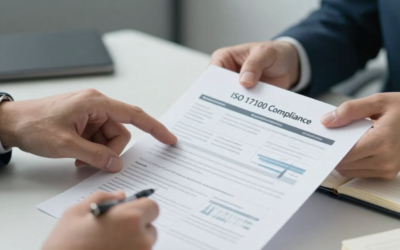
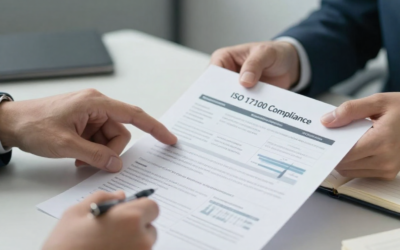
- Maintain audit logs for traceability.
Conclusion
Accurate ADR reporting depends on rapid, standardized and controlled translation workflows. At SumaLatam we design glossary-driven processes, audit translations and optimize workflows for pharmacovigilance. Contact us for a process review and tailored proposal.