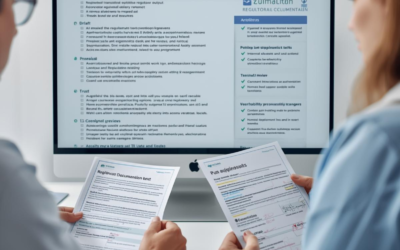
In multilingual markets, effective communication between healthcare professionals and patients is essential to ensure quality care. This is where specialized translation plays a transformative role, breaking down linguistic and cultural barriers to enable clear and empathetic interactions.
One of translation’s key contributions is making medical information accessible. From informed consents to treatment instructions, ensuring documents are in the patient’s native language enhances understanding, improves treatment adherence, and reduces medical errors.
Cultural localization also ensures messages are culturally sensitive. It’s not just about translating words—it’s about adapting content to reflect local practices, beliefs, and values. For example, in a vaccination campaign, an effective translation might include metaphors or familiar references tailored to the target community, boosting trust and acceptance.
Translation services are also crucial in the digitization of healthcare. Mobile apps, patient portals, and telemedicine platforms require multilingual interfaces to be inclusive and accessible. This approach enhances user experience and promotes equitable access to healthcare services.
Specialized translation for inclusive marketing in multilingual markets
Specialized translation also aids in creating more inclusive healthcare marketing strategies. Promotional materials, health awareness campaigns, and public service announcements can reach a broader audience when adapted to multiple languages and cultural contexts. This not only amplifies the reach of these initiatives but also ensures their messages resonate effectively with diverse patient populations.
Moreover, accurate translation supports compliance with local and international healthcare regulations. By ensuring that medical documents, guidelines, and communications adhere to legal and ethical standards, healthcare organizations protect themselves from potential liabilities while safeguarding the rights and well-being of patients.
At SumaLatam, we specialize in delivering precise and culturally relevant translations for the healthcare sector. Our team understands that effective communication not only informs but also builds trust and strengthens the relationship between professionals and patients, regardless of the language they speak.
Investing in translation is not just about meeting regulations; it’s a commitment to equity and excellence in healthcare.