Introduction
Training clinical teams to review translations reduces risk and speeds projects. When doctors and nurses validate content using clear criteria, reviews are faster and safer without creating bottlenecks. This guide provides a checklist and a practical training plan to implement clinical review efficiently.
Why involve clinical teams?
Clinical staff know real-world practice and terminology. Their input ensures clinical accuracy and prevents misinterpretation that could affect patients or regulatory compliance. To be efficient, reviewers need tools, short time windows and standardized criteria.
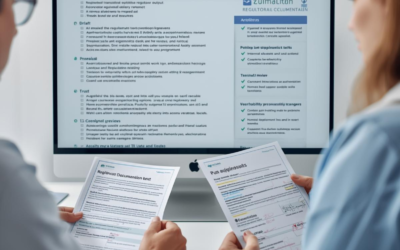
Clinical reviewer checklist (short version)
- Identify critical segment: dosage, warnings, consent or instructions.
- Terminology match: does the text follow the validated glossary?
- Clinical accuracy: does the translation preserve clinical meaning?
- Units and numbers: verify formats, units and numeric values.
- Patient readability: is the language simple enough if targeted to patients?
- Regulatory requirements: are mandatory phrases present?
- Traceability: log changes, responsible person and date.
- Residual risk: classify as critical/high/medium/low.
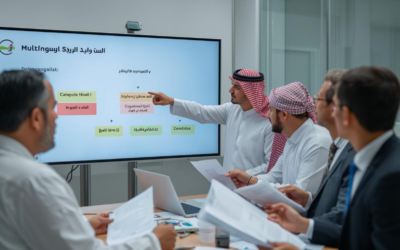
Workshop modules (practical training)
- Module 1 — Intro & objectives (45 min): reviewer role, priorities and timing.
- Module 2 — Terminology & glossaries (60 min): how to use/update glossaries; hands-on exercises.
- Module 3 — Tools & formats (45 min): reviewing in platforms, version control and comments.
- Module 4 — Risk-based review (60 min): identifying critical errors; severity classification and simulations.
- Module 5 — Best practices & communication (30 min): giving precise feedback to linguists.
- Practical session (2 hours): guided review of 3–4 real segments using a 1–5 rubric.
How to avoid bottlenecks
- Set short, blocked review windows (e.g., two hours daily).
- Prioritize critical segments with tags.
- Use simple rubrics to speed decisions.
- Automate feedback forms with required fields (error type, suggested fix).
Suggested KPIs
- Average review time per segment (minutes).
- % of critical issues detected.
- Time from clinical review to final version.
- Reviewer satisfaction (short post-workshop survey).
Conclusion
Training clinical teams to review translations ensures accuracy while keeping projects on schedule. With a clear checklist and hands-on workshops, your clinicians will validate content fast and reliably. At SumaLatam we design tailored training programs and review rubrics for studies and campaigns. Contact us to request a pilot workshop.