Introduction
In regulated industries such as healthcare, pharma, and medical devices, a regulatory audit can uncover vulnerabilities that have gone unnoticed for years. When documentation exists in multiple languages, risks multiply: inconsistent terminology, outdated versions, or missing documentary evidence can quickly become critical findings.
Preparing for a regulatory audit involving multilingual documentation is not merely a linguistic task. It is a matter of traceability, process control, and compliance.
What auditors review in translated documentation
Auditors assess not only the final text but the process behind it. Typically, they examine:
- Alignment between source and translated versions.
- Evidence of independent review.
- Change logs and version control.
- Technical validation in clinical or regulatory content.
- Documented quality assurance procedures.
A correct translation is insufficient if there is no documented workflow to support it.
The importance of independent review
In regulated environments, independent review is a risk mitigation mechanism.
A second qualified professional helps detect:
- Misinterpretations.
- Terminology inconsistencies.
- Mislocalized warnings or safety instructions.
- Clarity issues affecting patient safety.
Independent review also provides objective evidence during audits.
Change logs and version control
Document control is one of the most scrutinized areas in a regulatory audit.
Each translated document should include:
- Clear version identification.
- Complete modification history.
- Update dates.
- Responsible approver.
- Traceable link to the current source version.
Poor version control can result in market inconsistencies and legal exposure.
Documentary evidence: the real safeguard
Auditors look for documented proof. Organizations should retain:
- Linguistic and technical review records.
- Verified credentials of professionals involved.
- Written procedures.
- Final approval documentation.
Without evidence, even well-executed work may be deemed non-compliant.
The role of certified providers
Partnering with certified language service providers adds a layer of protection.
A certified partner can deliver:
- Auditable documented processes.
- Mandatory independent review.
- Demonstrable linguistic competence.
- Continuous improvement practices.
In regulated contexts, provider selection directly impacts risk exposure.
Pre-audit checklist
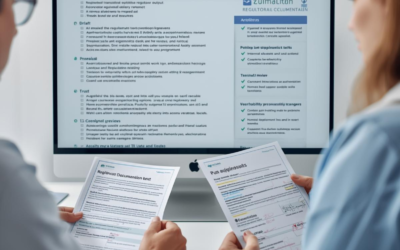
Before facing a regulatory audit with multilingual documentation, confirm:
- All versions are aligned and current.
- Change logs are complete.
- Independent review is documented.
- Technical validation exists.
- Providers operate under recognized standards.
Conclusion
Preparing for a regulatory audit involving multilingual documentation requires more than proofreading. It demands structured processes, traceability, and verifiable evidence.
In high-risk environments, linguistic quality must be supported by procedural rigor.
Contact us to assess your multilingual documentation readiness and design a compliance strategy tailored to your organization.