Introduction
Validating materials with NGOs and community groups improves relevance, comprehension and uptake. When content is developed with the people who will use it, misunderstandings decrease and acceptance rises. This article outlines practical steps to design ethical, efficient and measurable cultural validation processes.
Define objectives and responsibilities first
Clarify the validation purpose: identify cultural risks, test comprehension or pilot formats for print and digital.
Assign roles: project coordinator, NGO liaison, workshop facilitator, technical reviewer and documentation lead.
Effective co-creation models
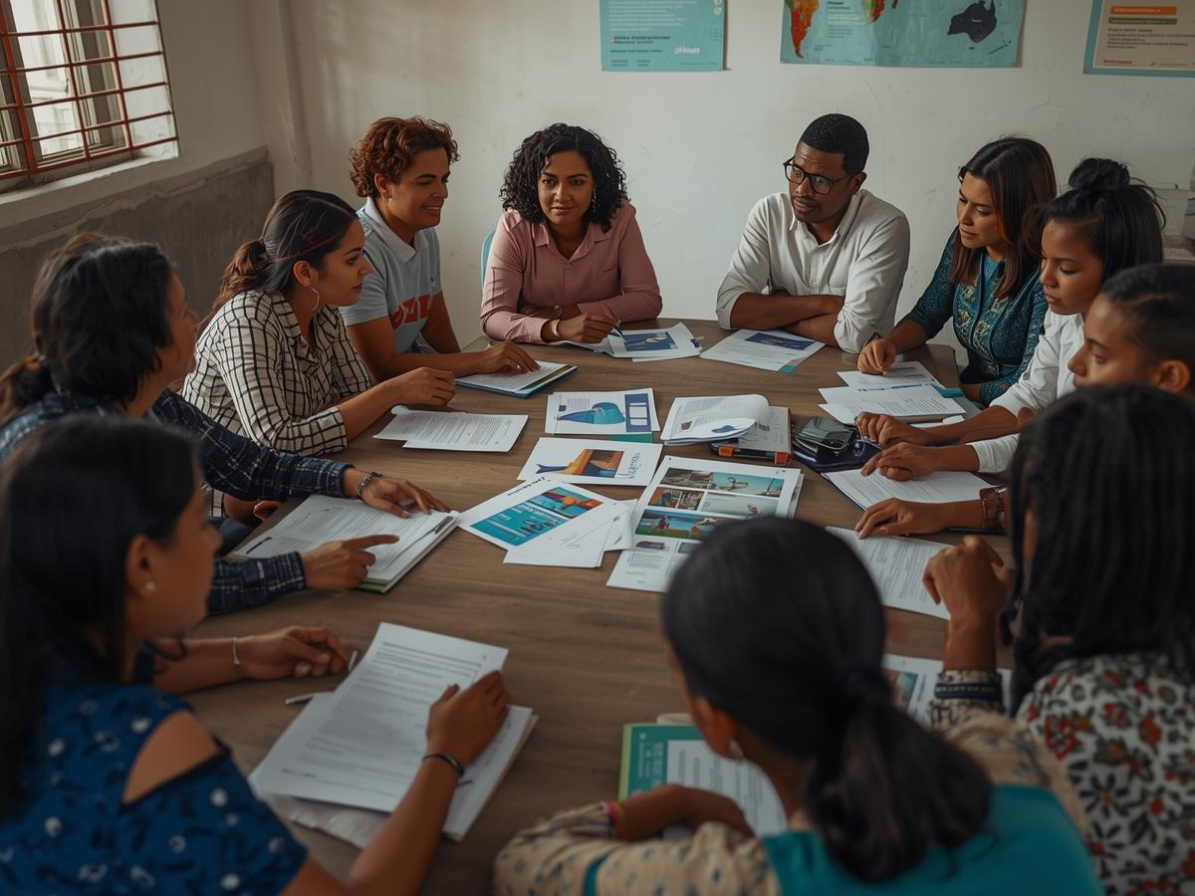
- Participatory workshops: short sessions to review drafts, test messages and prioritize changes.
- Community advisory board: a standing group that provides guidance throughout the project.
- Local pilots: small-scale trials to measure comprehension and usability.
- Tailored versions: adapt materials by language, age or cultural context.
- Train-the-trainer: empower local leaders to validate and scale the material.
Ethical incentives and compensation
- Provide fair payment or cover travel expenses.
- Offer logistical support: transport, meals and printed materials.
- Include training and certificates that add value for participants.
- Deliver community benefits: in-kind donations or local services.
- Publicly acknowledge collaborators in reports or events.
Avoid incentives that bias responses. Record agreements and obtain written informed consent.
Method for collecting and analysing feedback
- Preparation: share drafts and guidance with the NGO and local leaders.
- Execution: run workshops or interviews using structured templates.
- Recording: log comments, suggestions and votes in standard forms.
- Analysis: code qualitative feedback and calculate quantitative indicators.
- Iteration: incorporate changes and run a follow-up round if needed.
Practical indicators to measure impact
- Comprehension: share of participants who correctly explain the message.
- Acceptability: proportion rating materials as useful and respectful.
- Adoption: evidence of materials being used in practice.
- Behavior change: outcome metrics linked to program goals.
- Reach: coverage across key subgroups (age, gender, language).
- Response time: time from feedback receipt to content update.
Operational best practices
- Document the workflow with timelines and owners.
- Use templates to standardize feedback capture and facilitate analysis.
- Ensure confidentiality and secure handling of personal data.
- Validate language and examples with technical reviewers before community testing.
- Work in short cycles: prototype, test, refine, re-test.
Quick checklist before validation
- Define validation objectives.
- Identify and contact NGOs and local leaders.
- Secure participation agreements and consent.
- Prepare pilot materials.
- Ready data-collection templates.
- Set test schedule and assign responsibilities.
Conclusion
Partnerships with NGOs and communities increase the cultural relevance and effectiveness of materials. With clear processes, ethical compensation and robust measurement, messages become more meaningful and achieve better local outcomes. Contact us to plan a tailored validation pilot for your program.