In today’s global healthcare landscape, multilingual content is essential. Ensuring that health information is accessible in multiple languages is not just a convenience but a necessity. Various trends in content creation are shaping how healthcare organizations engage with diverse patient populations.
AI-Powered and Human-Assisted Multilingual Content
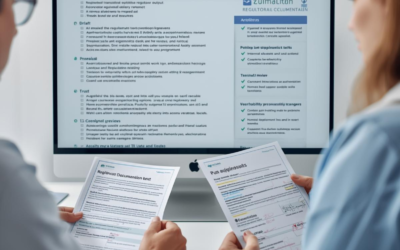
AI-powered translation tools provide efficient solutions for translating large volumes of healthcare content. However, human expertise remains crucial to ensure linguistic accuracy and cultural relevance. The combination of AI and human intervention allows for faster, more precise, and culturally appropriate translations.
Personalized and Culturally Adapted Multilingual Content
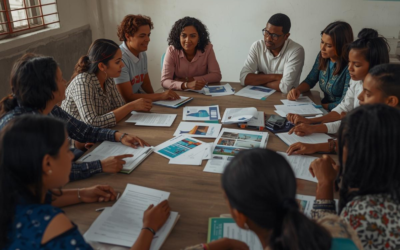
Healthcare organizations are focusing on creating multilingual content that reflects cultural nuances. This includes adapting messages to align with local health beliefs, practices, and sensitivities. For example, vaccination campaigns may require culturally relevant metaphors or references to improve engagement and trust among diverse audiences.
Interactive and Visual Content
With the rise of digital platforms, healthcare providers are increasingly using interactive and visual multilingual content. Videos, infographics, and mobile apps offering multilingual health education improve engagement. Visual elements help transcend language barriers, while interactive features enhance learning and retention.
Voice and Audio Solutions
Voice technology is becoming an essential tool in multilingual healthcare communication. Providers integrate voice capabilities into apps, websites, and telemedicine platforms to offer patients information in their preferred language. This enhances accessibility and overall patient satisfaction.
AI-Driven Content Personalization
AI enables healthcare organizations to personalize content for different patient needs. By analyzing medical history, preferences, and language, AI can deliver relevant and targeted health information, ensuring more effective communication.
As the demand for multilingual content in healthcare grows, staying ahead of these trends is key to providing equitable and accessible care. By embracing these advancements, healthcare organizations can ensure that their messages resonate with diverse patient populations.
At SumaLatam, we specialize in content creation, ensuring that healthcare communication is clear, culturally relevant, and impactful.