Introduction
If you work in regulatory affairs or procurement for pharma or medtech, selecting the right translation partner is critical. Terminology mistakes or poor localization can delay approvals and impact patient safety. This concise guide highlights seven capabilities you should require before awarding a project.
1. Proven regulatory experience
Not all translation projects are the same. Look for vendors with a track record in regulatory documents (labeling, dossiers, clinical trial reports). Request case studies or references and confirm familiarity with local requirements, mandatory phrasing and format expectations.
2. Translation memory and terminology management
A well-maintained translation memory saves time and ensures terminological consistency across documents. Ask the vendor about TM maintenance policies, access controls, and how they sync TMs with approved glossaries from your clinical team.
3. Documented quality assurance process
The vendor should have clear QA procedures: automated checks (consistency, figures, units) plus manual reviews. Request QA report templates and performance metrics (errors per 1,000 words, rejection rates).
4. Clinical reviewers and subject-matter experts
Any critical medical text should be validated by a clinical reviewer with relevant domain expertise. Verify reviewers’ credentials (physicians, pharmacists or specialty experts) and require documented technical sign-off when needed.
5. Traceability and version control
For regulatory work, traceability is non-negotiable. The partner must provide version histories, change logs (what changed, why, who approved) and file metadata. This makes audits smoother and helps respond to regulatory queries.
6. Information security and data compliance
Review confidentiality policies, data protection agreements and technical safeguards (encrypted transfer, role-based access, secure deletion). For clinical trials and pharmacovigilance, ask for evidence of compliance with local or international data requirements.
7. Operational flexibility and clear SLAs
A reliable partner offers measurable SLAs (turnaround times by document type), capacity for volume spikes, and workflows that integrate MT + post-editing where appropriate. Request a contingency plan and examples of handling urgent requests.
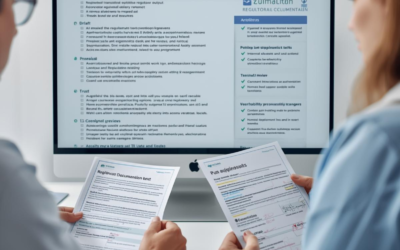
Quick evaluation checklist (use in RFP)
- Regulatory references and case studies.
- TM and glossary management policy.
- QA templates and historical metrics.
- List of clinical reviewers with credentials.
- Version history and traceability logs.
- Confidentiality agreements and security measures.
- SLAs and business continuity plan.
Recommended KPIs for ongoing monitoring
- Average turnaround time by document type.
- Translation memory reuse rate (%).
- Critical errors per 1,000 words.
- Average response time to regulatory queries.
Conclusion
Since choosing a medical translation partner is a strategic decision, you should assess capabilities, not just price. At SumaLatam we audit vendors, design technical tests and prepare RFPs tailored to regulatory requirements. Contact us and we’ll help you set up a robust vendor evaluation for your next project.