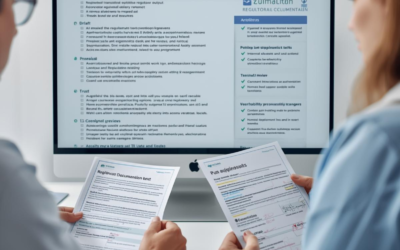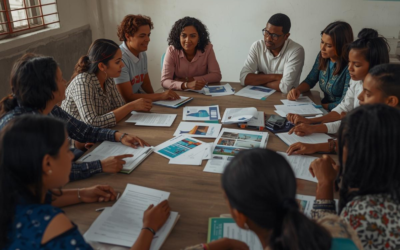
Healthcare translation plays a key role in ensuring equitable access to medical information. In this context, a gender perspective becomes essential. How do language, translation, and gender equity influence healthcare? What challenges persist, and what opportunities arise to create real change?
Translation as a Tool for Inclusion
In many countries, healthcare systems still reproduce gender biases. These may appear as delayed diagnoses in women, lack of information about sexual and reproductive health, or educational materials that overlook trans or non-binary individuals. Healthcare translation can help reverse these situations when done with awareness of these biases.
Inclusive Language and Fair Representation
Translation is not just about transferring words—it also involves interpreting contexts, cultural norms, and social structures. Applying an inclusive language approach ensures that medical texts do not exclude certain gender identities. This is especially important in informed consent forms, public health campaigns, and preventive or educational materials.
Gender-Sensitive Training
Good translation requires more than language proficiency. It demands training in gender, diversity, and health issues. Healthcare translators who understand these perspectives are better equipped to adapt content with both accuracy and sensitivity.
Healthcare Translation as a Bridge to Equity
Gender equity in healthcare cannot be achieved without clear, accessible, and fair communication. When healthcare translation incorporates a gender perspective, it becomes a real bridge between healthcare systems and the people who need care—regardless of their gender identity or expression.
Conclusion
Integrating gender equity into healthcare translation is not just a matter of language, but of human rights. It’s an opportunity to build more just, accessible, and representative health systems. Because when every voice is heard, healthcare truly becomes for everyone.