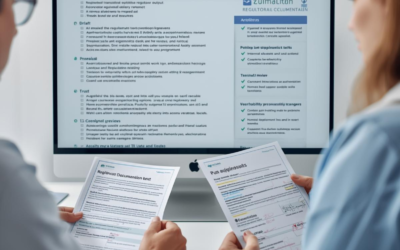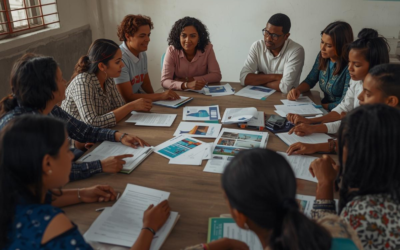
Gender equity in translation directly influences the quality of medical communication.
In the healthcare sector, gender-sensitive translation is no longer optional—it’s essential. Gender equity in translation must be part of every stage in the communication process. It ensures that all people, regardless of gender identity or expression, have fair access to medical information.
Why is gender equity important in healthcare translation?
Language reflects social structures. A medical translation that ignores gender equity risks excluding or confusing certain groups. Poorly adapted forms, campaigns, or instructions can negatively impact patient understanding and trust.
Using respectful, inclusive language improves accessibility and builds confidence in healthcare systems. In informed consents, protocols, or educational materials, a sensitive approach leads to better engagement and outcomes.
Best practices to ensure gender equity in medical translation:
- Train translators in gender and diversity
Technical accuracy must be paired with strong social awareness. - Avoid binary or sexist language
Inclusive language can be clear, effective, and respectful with the right approach. - Adapt to local cultural contexts
Inclusive language isn’t interpreted the same way in every country. Localization matters. - Collaborate across disciplines
Working with healthcare, gender, and linguistic experts ensures inclusive, accurate, and context-aware communication.
Conclusion
Gender equity in translation promotes fairness, enhances patient experience, and improves access to quality healthcare. At SumaLatam, we bring together inclusive language, medical expertise, and cultural insight to deliver translations that reflect a true commitment to diversity and equity.