Decentralized clinical trials (DCTs) are revolutionizing how clinical studies are conducted, allowing for remote patient participation and significantly improving the efficiency and accessibility of these studies. However, one of the greatest challenges faced by DCTs is effective communication between researchers and participants, especially when the latter speak different languages. This is where precise medical translation and localization play a crucial role.
The Revolution of Decentralized Clinical Trials
Traditionally, clinical trials have been conducted at specific research centers where patients must travel to receive treatments and undergo evaluations. This centralized approach can be costly and logistically complicated, often limiting the participation of patients who live far from the research centers.
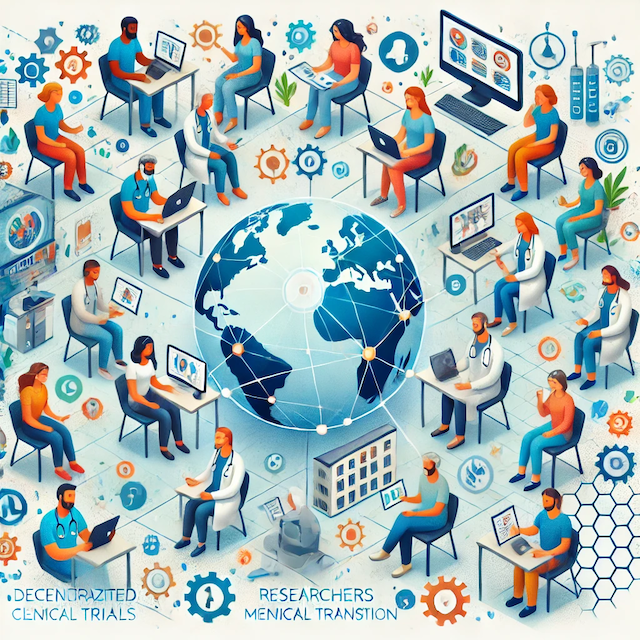
DCTs, on the other hand, use digital technology to enable patients to participate from the comfort of their homes. This includes the use of mobile devices, applications, telemedicine, and other electronic means to collect data and perform follow-ups. As a result, DCTs can include a more diverse and representative sample of the population, enhancing the quality and generalizability of study results.
The Crucial Role of Precise Medical Translation
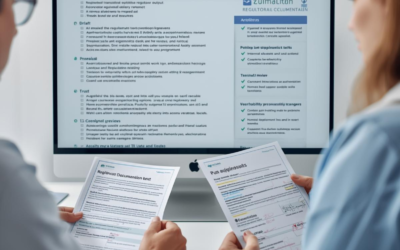
For DCTs to be successful, it is essential that trial information and instructions are clear and understandable for all participants, regardless of their native language. This is where precise medical translation and localization are indispensable. Trial documents, including informed consents, device usage instructions, and ongoing communication between researchers and patients, must be translated with the utmost accuracy.
Medical translation is not just about converting words from one language to another; it involves ensuring that medical terms and complex instructions are correctly understood by participants. A translation error can lead to misunderstandings, protocol deviations, and, in the worst case, put patient safety at risk.
The Importance of Localization in Medical Translation
Localization goes beyond literal translation. It involves culturally adapting the content to make it relevant and understandable in the patient’s context. For example, instructions for using a medical device may need to be adjusted to consider specific cultural practices or health literacy levels.
At SumaLAtam, we understand that precision and cultural sensitivity are fundamental in medical translation. Our team of expert translators and localizers works closely with healthcare professionals to ensure that each technical term is accurately translated and that the information is accessible and understandable for a diverse global audience.
Success Stories and the Impact of Precise Translation
One of our success stories includes collaboration on an international clinical trial that involved patients from multiple countries and languages. Through our precise and localized translations, we ensured that all participants fully understood the study protocol, resulting in higher compliance rates and high-quality data.
Moreover, our translation and localization solutions have enabled pharmaceutical companies and research organizations to conduct clinical trials in previously inaccessible regions, expanding the reach of their studies and improving the inclusivity and diversity of the collected data.
Decentralized clinical trials represent a significant evolution in medical research, offering numerous advantages in terms of efficiency, accessibility, and diversity. However, their success largely depends on the ability to effectively communicate with participants worldwide. Precise medical translation and localization are essential to overcoming language and cultural barriers, ensuring that trial information is clear and comprehensible to all.
At SumaLAtam, we are committed to providing high-quality translations that support these global efforts. We believe that every word matters and that precision in medical translation can make a difference in the health and safety of patients around the world.