Artificial Intelligence in Medical Translation: A Powerful Tool (That Needs Human Oversight)

AI in Medical Translation: A Powerful Tool (That Needs Human Oversight)
Sep 11, 2025
SumaLatam

Artificial Intelligence (AI) is here to stay, and medical translation is no exception. However, in the healthcare sector, translation is not just about speed or cost efficiency: it’s about patient safety and the credibility of healthcare providers.

Machine translation engines can be extremely valuable. They accelerate workflows, allow large-scale projects to be delivered faster, and help reduce operational costs. In today’s globalized environment, they play an important role in enabling multilingual communication.

Still, AI has clear limitations:

  • It fails to capture cultural nuances that can alter meaning.
  • It misses local medical jargon used by patients and practitioners.
  • It may overlook the legal and regulatory implications of specific terms.

That’s why human oversight remains essential. Expert medical translators do more than fix errors — they ensure that the final message is safe, accurate, and context-appropriate.

When to combine Artificial Intelligence + human review:

  • Large-scale projects with strict deadlines.
  • Time-sensitive translations that require fast delivery.
  • Internal, non-critical documents used as reference.

When to avoid Artificial Intelligence -only workflows:

  • Informed consent forms, where accuracy is legally binding.
  • Pharmaceutical labeling, where mistranslations can compromise safety.
  • Patient-facing instructions, where clarity and comprehension are critical.

Conclusion

At SumaLatam, we believe the future of medical translation lies in intelligent synergy: leveraging AI’s speed while maintaining the precision of expert human translators. This combination ensures healthcare content that not only informs but also saves lives and builds trust.

Translation Memory ROI: How to Measure Impact Without Talking Prices

Translation Memory ROI: How to Measure Impact Without Talking Prices

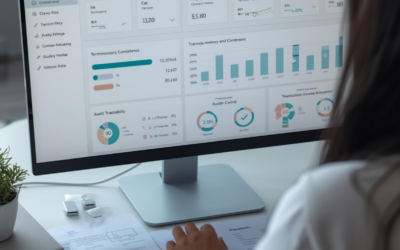
Introduction Translation memories are an operational lever for regulated content. Evaluating their impact should focus on operational indicators: match rates, review intensity, content reuse and traceability for audits. This article explains what to measure, how to...

Partnering with NGOs & Communities for Cultural Validation

Partnering with NGOs & Communities for Cultural Validation

Introduction Validating materials with NGOs and community groups improves relevance, comprehension and uptake. When content is developed with the people who will use it, misunderstandings decrease and acceptance rises. This article outlines practical steps to design...

How to Choose a Medical Translation Partner: 7 Critical Capabilities

How to Choose a Medical Translation Partner: 7 Critical Capabilities

Introduction Selecting a translation vendor for pharmaceutical or medtech work requires more than comparing prices. It is essential to evaluate capabilities that ensure regulatory compliance, terminological accuracy, data security and audit traceability. Below are...

Checklist for Localizing Medical Device Documentation

Checklist for Localizing Medical Device Documentation

Introduction Localizing documentation for medical devices requires technical accuracy, traceability and regulatory compliance. Translation alone is not enough. Instructions for use and labels must be adapted to local regulations, symbols, units and user practices. The...